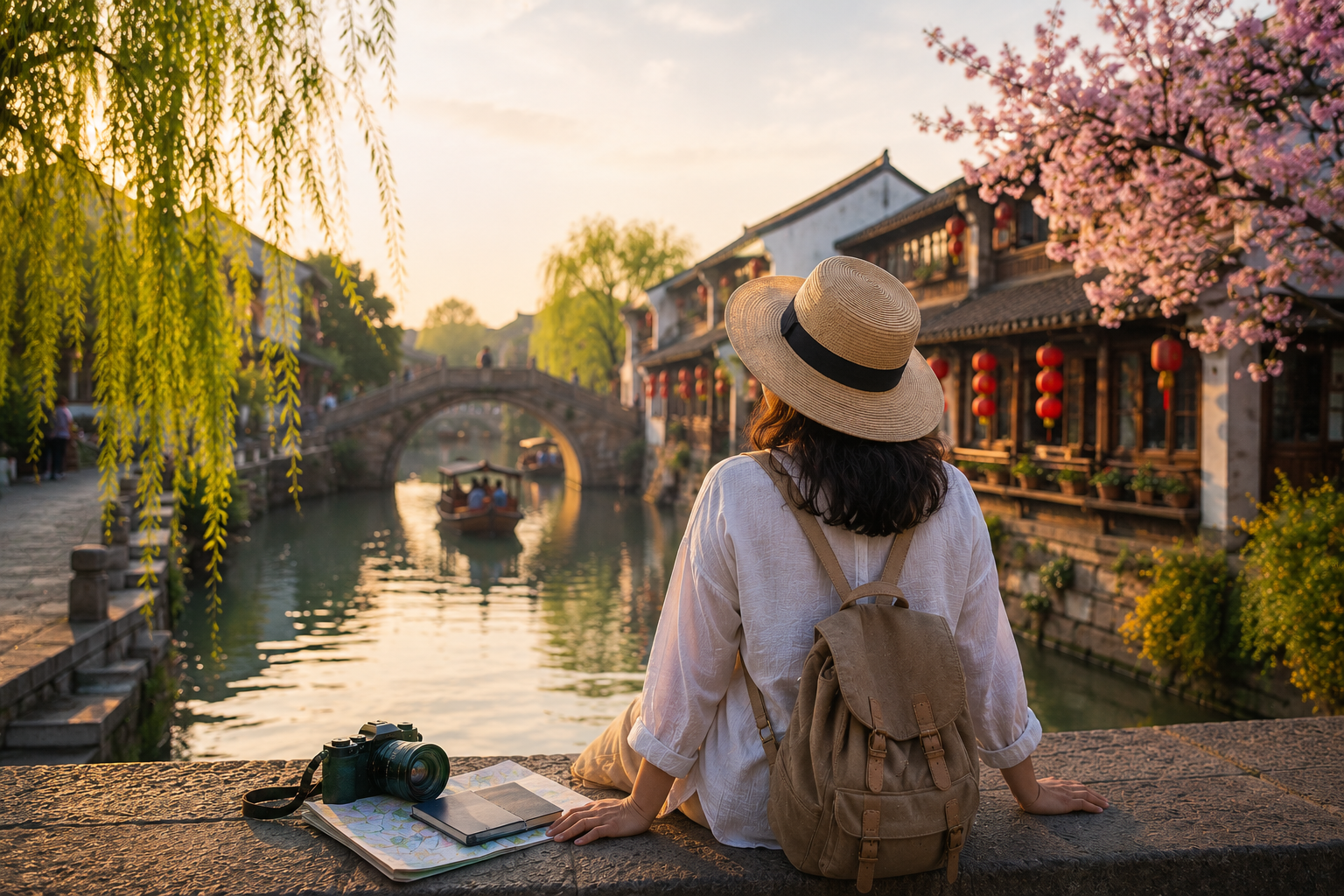
Dialysis in India can be planned around some of the country’s most compelling cities when treatment is arranged first and the itinerary is built around the confirmed clinic location, session times, transport and the traveller’s usual pace. Delhi, Mumbai, Kolkata, Bengaluru, Chennai, Hyderabad, Pune and Agra each offer a distinct view of India, from Mughal monuments and colonial architecture to gardens, waterfronts, temples, markets and contemporary city life.
Key takeaway. Start with your renal team and treatment request, then choose accommodation and sightseeing that work with the confirmed schedule. Avoid committing to non-refundable travel arrangements until the receiving clinic has accepted the request. If this is your first international trip while receiving dialysis, begin with the step-by-step guide to travelling abroad on dialysis.
Why choose India for a dialysis holiday?
India is not one single travel experience. Its major cities differ in language, food, climate, architecture and daily rhythm. A traveller could explore Delhi’s imperial history, Mumbai’s Arabian Sea waterfront, Kolkata’s cultural institutions, Bengaluru’s gardens, Chennai’s Tamil heritage or Hyderabad’s Deccan monuments. That variety makes it possible to choose a city that matches the kind of holiday you want, while keeping practical treatment planning at the centre of the decision.
The current bookdialysis India page lists clinic options across the country. Use the city pages below for current locations, facilities, prices, treatment types, requirements and availability rather than relying on a fixed list in an evergreen article.
Which eight Indian cities should dialysis travellers consider?
The eight cities below were selected because they combine major urban centres with some of India’s most important cultural destinations. “Best” is personal: the most practical choice is the city where a suitable treatment request can be accepted and where accommodation, clinic journeys and the activities you value can fit together.
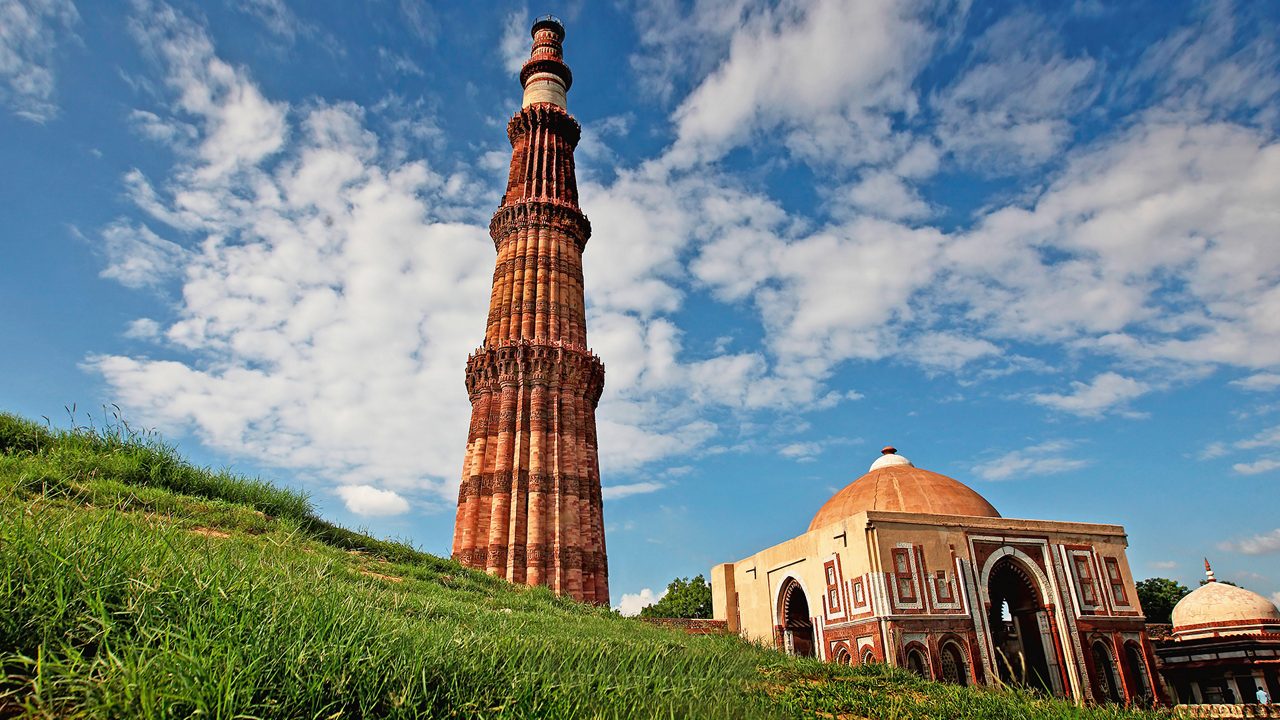
1. Delhi: monumental history and many distinct neighbourhoods
Delhi is a natural starting point for travellers who want major historical landmarks. The Red Fort, Qutub Minar and Humayun’s Tomb are among the city’s best-known heritage sites, while India Gate, the National Museum, Lodhi Garden and Dilli Haat offer different ways to experience the capital. The city is extensive, and Old Delhi, central New Delhi and southern districts can involve very different journey times.
Plan it around treatment. Compare the clinic address with the area where you plan to stay before choosing a hotel. Cluster sights by district instead of crossing the city repeatedly, and leave generous time for traffic, security checks and walking at large monuments.
2. Mumbai: waterfront views, architecture and cinema
Mumbai is India’s great west-coast metropolis. The Gateway of India and the nearby heritage district make a strong first outing; Marine Drive offers a simpler waterfront experience; and Chhatrapati Shivaji Maharaj Terminus anchors an extraordinary concentration of historic architecture. The Elephanta Caves are another celebrated attraction, but the boat journey and time on foot make them a more demanding excursion.
Plan it around treatment. Mumbai stretches along a narrow peninsula and travel times can be substantial. Decide whether South Mumbai, the central districts or the western suburbs best fit the accepted clinic location and the places you most want to see. Keep treatment days geographically simple.

3. Kolkata: art, literature and the Hooghly waterfront
Kolkata rewards travellers who enjoy museums, architecture and street-level culture. The white-marble Victoria Memorial is the city’s signature landmark; the Howrah Bridge and riverside ghats frame daily life along the Hooghly; and the Indian Museum offers a substantial indoor visit. Kumartuli’s artisan quarter and Park Street reveal different sides of the city, but both are best approached with time rather than as quick stops.
Plan it around treatment. Kolkata can be humid and busy, and river crossings or longer journeys across the metropolitan area may add time. Choose one area or a small group of nearby sights per outing and map the return journey in advance.

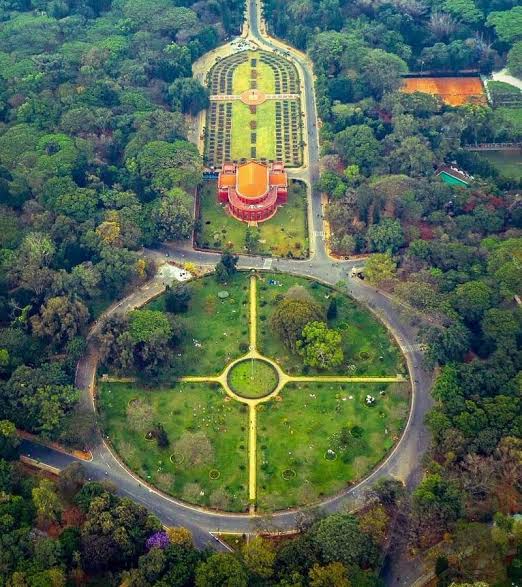
4. Bengaluru: green spaces and a contemporary city
Bengaluru, also widely known as Bangalore, combines a major technology economy with some of the most appealing green spaces among India’s large cities. Cubbon Park and Lalbagh Botanical Garden are good choices for a flexible outdoor visit, while Bangalore Palace and the area around Vidhana Soudha add architectural interest. Cafés, galleries and neighbourhood dining can fill shorter, lower-intensity outings.
Plan it around treatment. Road traffic can turn a short map distance into a long journey. Treat the accepted clinic location as the anchor for accommodation and group attractions by side of the city.
5. Chennai: Tamil heritage beside the Bay of Bengal
Chennai offers a strong introduction to Tamil culture. Marina Beach is the city’s defining open space, while Kapaleeshwarar Temple brings colour and religious architecture to the Mylapore district. Fort St George and the Government Museum add historical and indoor options. At places of worship, follow posted guidance, dress respectfully and remove footwear where required.
Plan it around treatment. Heat and humidity can shape the pace of a day, particularly around large outdoor sites. Early or later outings may feel more manageable, but personal activity, fluid and diet decisions should follow the traveller’s renal team guidance.

6. Hyderabad: Deccan history and a modern technology hub
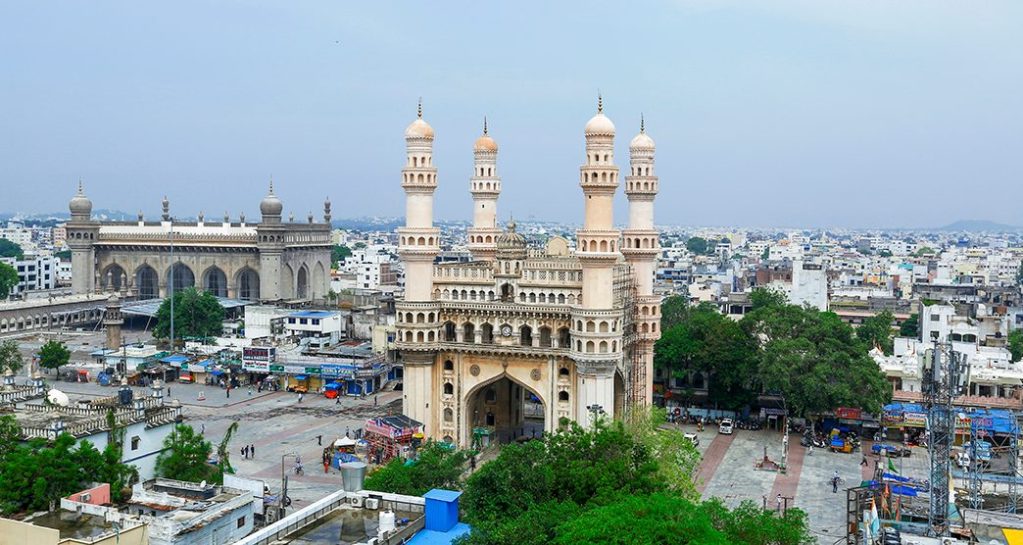
Hyderabad’s best-known sights tell the story of the Deccan and the Nizams. The four minarets of Charminar rise above the lanes of the Old City; Golconda Fort offers dramatic architecture over a large, stepped site; and the Salar Jung Museum provides an extensive indoor collection. Hussain Sagar and the palaces around the city add further options for a longer stay.
Plan it around treatment. Charminar and Golconda sit in different parts of the city and should not be treated as quick neighbouring stops. Golconda also involves uneven ground and climbing, so decide with your renal team whether it fits your circumstances and choose an alternative if it does not.
7. Pune: Maratha history and a lively cultural scene
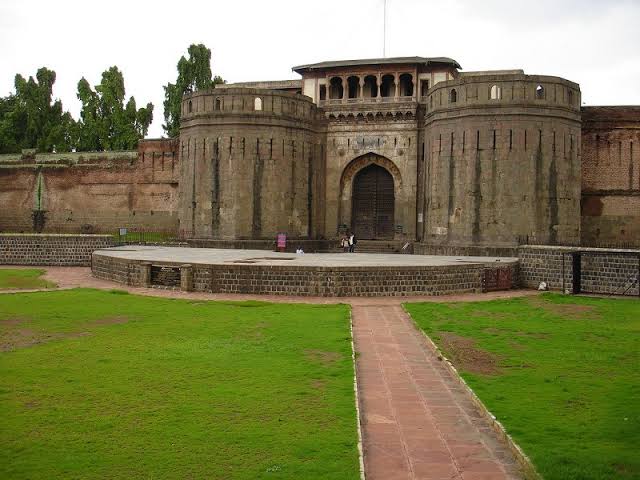
Pune combines historical landmarks with universities, museums, gardens and a contemporary food and arts scene. The remains of Shaniwar Wada introduce the city’s Maratha history; the Aga Khan Palace is closely connected with India’s independence movement; and the rock-cut Pataleshwar Cave Temple offers a more compact heritage visit. Koregaon Park, Saras Baug and the Raja Dinkar Kelkar Museum provide alternatives for different interests and energy levels.
Plan it around treatment. Pune’s attractions are spread across the city, and road traffic can lengthen journeys. Keep the clinic, accommodation and one main sightseeing area on the same side of the city when possible. Hill forts such as Sinhagad require a more demanding excursion, so discuss suitability with your renal team rather than treating them as a routine city outing.
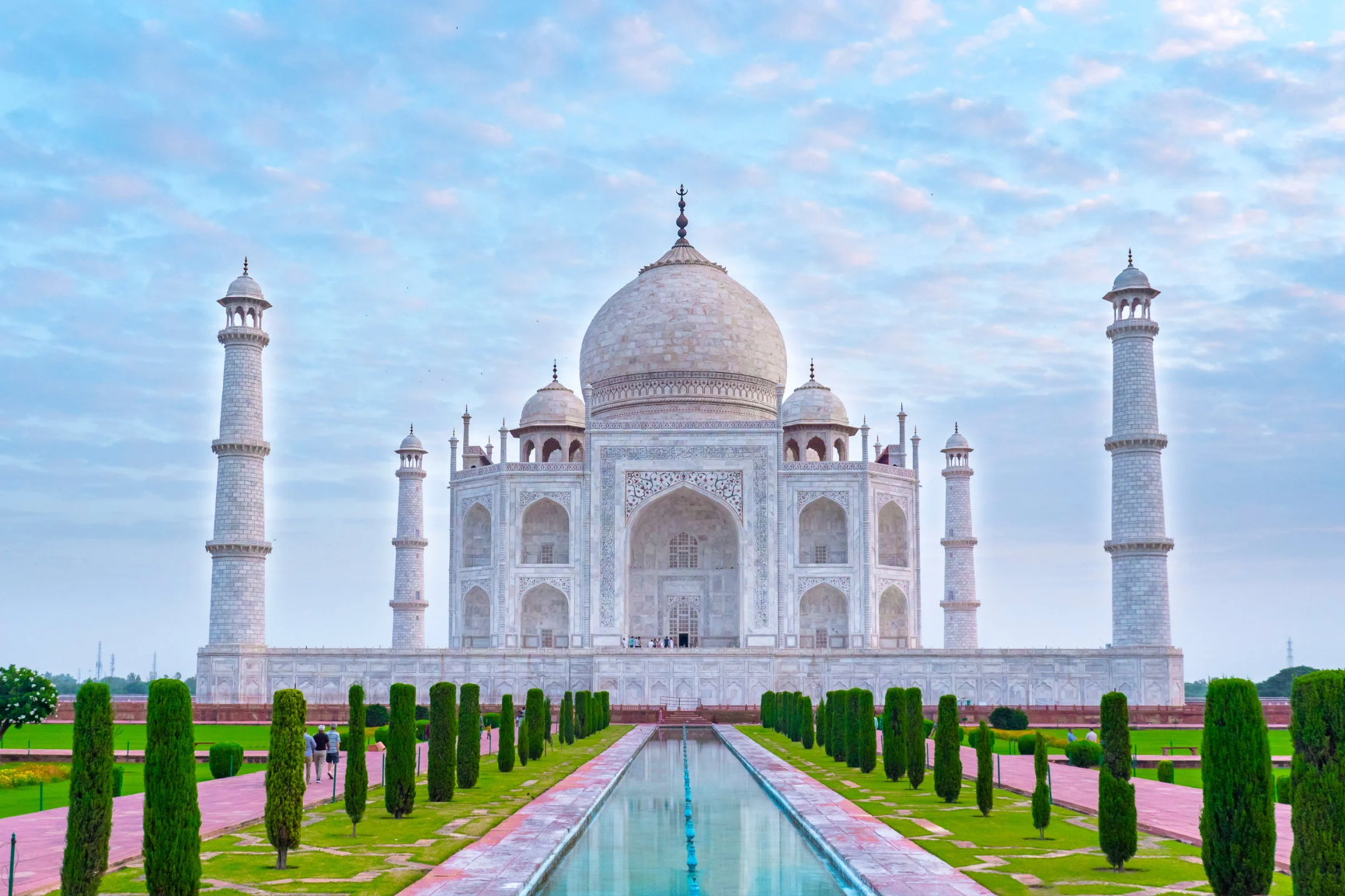
8. Agra: the Taj Mahal and the legacy of the Mughal Empire
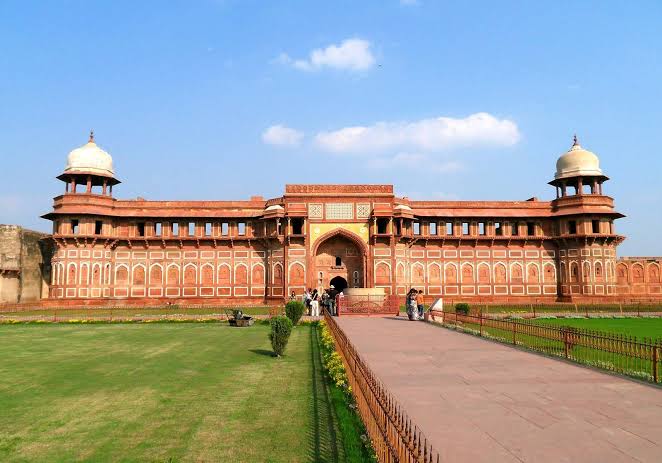
Agra is essential for travellers whose India wish list includes the Taj Mahal. The white-marble mausoleum and its formal gardens are the city’s defining sight, but Agra’s Mughal heritage extends further. The red-sandstone Agra Fort is another major monument, while Mehtab Bagh offers views of the Taj Mahal from across the Yamuna River. Itimad-ud-Daulah’s Tomb and Fatehpur Sikri can add depth when time and travel plans allow.
Plan it around treatment. The Taj Mahal complex and Agra Fort both involve security procedures, walking and time outdoors. Avoid squeezing both into a rushed treatment-day schedule. Check current opening information and ticket rules through official sources, then build the visit around the accepted clinic schedule and the traveller’s usual pace.
How should you plan dialysis in India before booking the trip?
Planning dialysis in India becomes clearer when treatment and travel decisions are made in the right order. The wider process is explained in Booking Dialysis Abroad: What Patients Should Know, including the important difference between submitting a request and receiving final acceptance from the clinic.
Speak with your renal team. Discuss fitness to travel, treatment requirements, medication, food and fluid guidance, and contingency planning for your individual circumstances.
Choose a city and provisional dates. Look at the city’s scale, climate, transport and the kind of sightseeing you want, then search using the dates when treatment is needed.
Submit a treatment request through bookdialysis.com. Clinic requirements vary. Provide the information requested through the guided process and allow time for review.
Wait for treatment acceptance. A request is not a confirmed booking. Make non-refundable flight, hotel and tour commitments only after the receiving clinic has accepted the requested sessions.
Map the three anchors. Place the confirmed clinic, accommodation and priority attractions on one map. Check realistic journey times at the hours you expect to travel.
Build in alternatives. Keep a nearby indoor or shorter activity available for days when weather, traffic or energy changes the plan.
If unfamiliar surroundings or global travel uncertainty are a concern, the guide to dialysis travel safety can help you separate practical preparation from general anxiety. Travellers who are new to holiday dialysis may also find reassurance in what people often learn after their first dialysis holiday.
What practical details matter in India?
Entry requirements: Visa eligibility and entry procedures depend on nationality, passport and purpose of travel. Check the official Indian Visa Online portal for current information and use only official government channels.
Currency: The currency is the Indian rupee (INR). Ask the bookdialysis team about the payment information shown for the selected clinic and check card or cash arrangements as the booking progresses.
Language: English is commonly used in many travel settings, but local languages vary: Hindi in Delhi and Agra, Marathi in Mumbai and Pune, Bengali in Kolkata, Kannada in Bengaluru, Tamil in Chennai and Telugu or Urdu in Hyderabad. Clear written details can help when names and addresses have multiple spellings.
Transport: Metro systems, suburban rail, app-based cars, taxis and auto-rickshaws vary by city. Accessibility also varies by station, vehicle and attraction, so check the specific route rather than assuming one mode will suit every journey.
Climate: India’s seasons differ by region. Check the local forecast, heat, humidity and monsoon conditions for the city and dates of travel, then discuss any personal precautions with your renal team.
Culture and etiquette: Ask before photographing people, follow local security and photography rules, dress respectfully at religious sites and remove shoes where requested. Use general cultural advice as context, not as a rule about every person you meet.
A note for caregivers and travel companions
A caregiver or companion can help keep the trip organised without taking control away from the traveller. With the traveller’s knowledge and consent, agree who will keep the treatment confirmation accessible, follow booking updates, hold transport and accommodation details, and carry important contact information. It is also worth deciding which attractions are priorities and where both people can rest.
The simple guide for carers travelling with someone on dialysis covers treatment-day logistics, shared planning and the caregiver’s own need for time and support.
Frequently asked questions
–Can people receiving dialysis travel to India?
Many people receiving dialysis travel internationally, but individual suitability cannot be determined by a general article. Speak with your renal team and arrange appropriate treatment before departure. The receiving clinic must review and accept the request.
–How early should holiday dialysis in India be arranged?
Start as early as reasonably possible. The time needed depends on clinic availability, requested dates, treatment requirements and how quickly the necessary information can be reviewed. Early planning also makes accommodation and transport decisions easier.
–Should flights and hotels be booked before dialysis is accepted?
Avoid non-refundable commitments until the receiving clinic has accepted the treatment request. A submitted request, search result or visible clinic profile is not the same as confirmed sessions.
–Can a caregiver help with the booking?
Yes. A caregiver or family member can help organise dates, documents and travel details with the traveller’s consent. Medical decisions remain between the traveller, their renal team and the receiving healthcare provider.
–How can sightseeing fit around treatment days?
Use the accepted treatment schedule and clinic address as the starting point. Keep travel distances modest, choose one area at a time and maintain an easier alternative. How someone feels after treatment varies, so personal activity decisions should follow their own experience and renal team guidance.
Start with treatment, then shape the journey
Dialysis in India does not need to reduce the trip to appointments and transport. Once treatment is accepted, each of these eight cities offers a clear travel identity and enough variety to build meaningful days at a manageable pace. The most useful plan is not the busiest one; it is the plan that connects the confirmed clinic, a practical place to stay and the experiences that matter most to the traveller.
bookdialysis.com helps travellers explore destinations and clinic options, submit treatment requests, and follow the progress of their booking. We provide updates at each stage, and the contact center supports the traveller while coordinating with the receiving clinic. When you are ready, and begin with your preferred city and travel dates.