Being a top-rated destination for CKD travellers makes us look deeper into Portuguese history and habits., Here is what we found:
Here are 10 lesser-known or surprising facts about Portugal:


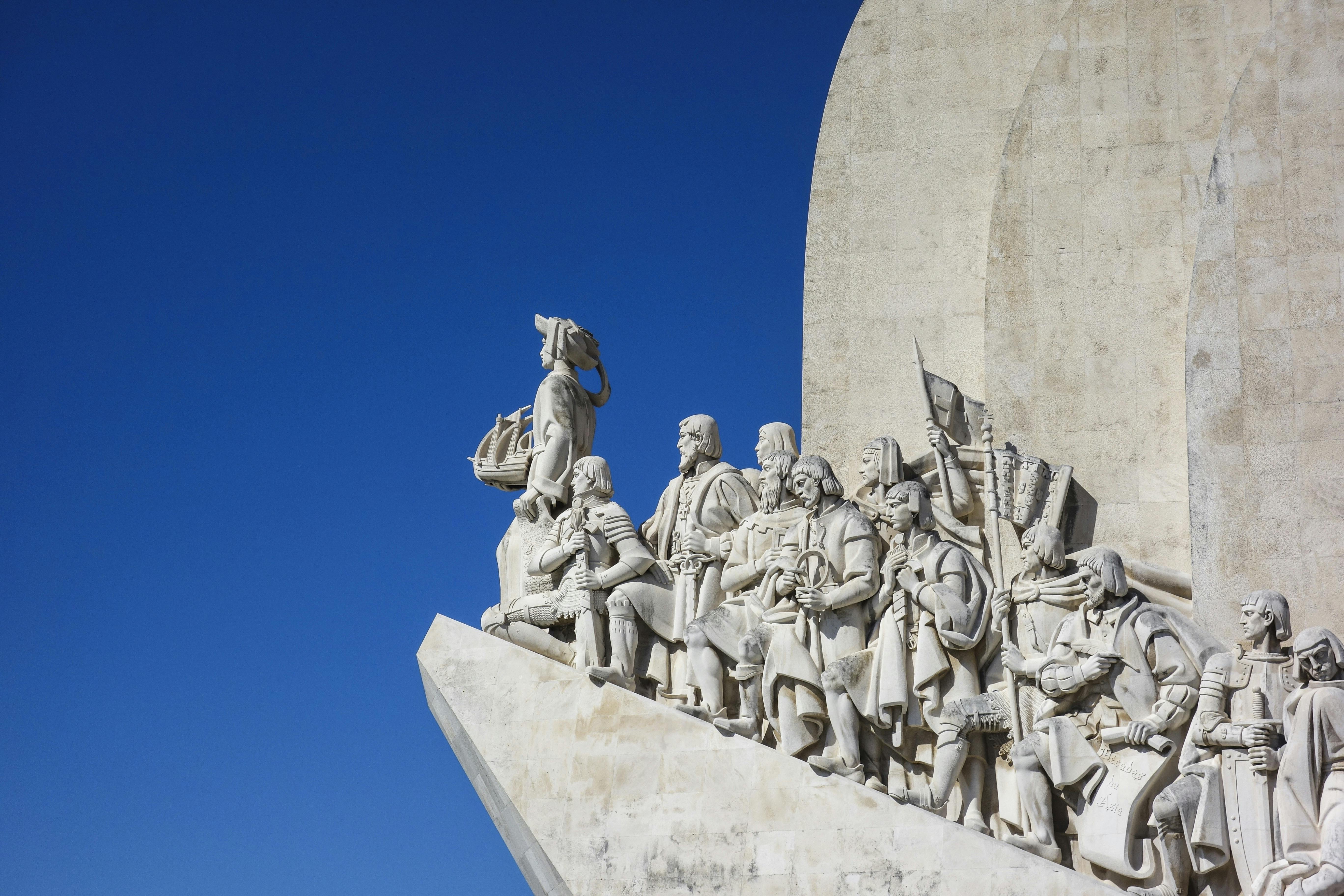
- Lisbon Was Once the Capital of an Empire Spanning Multiple Continents: In the 16th century, Lisbon was the center of a vast empire that included territories in Africa, South America (notably Brazil), Asia (including Goa in India and Macau in China), and Oceania.
- Portuguese Cork Production: Portugal produces about 70% of the world’s cork, much of which is used in wine bottles. The cork oak tree is a protected species, and the process of harvesting cork without harming the tree is a unique, sustainable practice.
- The Oldest Alliance: The Portuguese-English alliance, formalized in the Treaty of Windsor in 1386, is not only the oldest active diplomatic alliance but also played a crucial role in key historical moments, including World War II.
- Portugal’s Influence on Japanese Cuisine: The Portuguese introduced tempura to Japan in the 16th century. The word “tempura” comes from the Portuguese word “tempero,” meaning seasoning or cooking.
- The Largest Wave Ever Surfed: The world record for the largest wave ever surfed (86 feet or 26.21 meters) was set in Nazaré, Portugal, a small fishing town that has become famous for its gigantic waves.
- The Original Country of Cinnamon and Pepper: During the Age of Exploration, Portugal was the first European country to establish trade routes to India and Southeast Asia, bringing spices like cinnamon, pepper, and cloves to Europe.
- Portuguese “Codfish Diplomacy”: During World War II, Portugal, despite its neutrality, played a unique role in European diplomacy. The country engaged in “codfish diplomacy,” using its control over dried cod (bacalhau) supplies as a bargaining chip.
- The ‘House of Braganza’: The Portuguese royal family, known as the House of Braganza, ruled Brazil as emperors from 1822 until 1889, following Brazil’s independence from Portugal.
- Portugal Abolished Slavery Early: Portugal was one of the first European countries to abolish slavery, doing so in 1761 in mainland Portugal, though the practice continued in the colonies for many decades.
- Lisbon’s Earthquake of 1755: The devastating earthquake that struck Lisbon on November 1, 1755, is considered one of the deadliest earthquakes in history. It significantly influenced European Enlightenment thinkers and led to major advances in seismology and urban planning.
- If you want to know more about Portugal, just download a short guide we have prepared for this beautiful corner of Europe.