Dialysis in Greece can be part of a rewarding holiday, but the country is often introduced through only a few familiar images: whitewashed island houses, ancient columns and a bright blue sea. They are part of the story, but not the whole story.
To experience Greece as a traveller, rather than simply pass through as a tourist, it helps to notice the rhythm of daily life. Long conversations matter. Meals are rarely rushed. Family and hospitality are woven into the culture, and every region has its own landscape, history and pace.
If you receive dialysis, that experience does not have to disappear. It does require advance planning. Many people travel successfully while receiving treatment, provided that their individual circumstances allow it and suitable dialysis is arranged before departure. If you are still deciding whether a trip feels possible, our guide to travelling on dialysis explains the basics in a calm and practical way.
Once treatment is confirmed, you can begin shaping the trip around the Greece you actually want to discover.
Greece at a glance
Location: Southeastern Europe, at the meeting point of Europe, Asia and Africa
Capital: Athens
Language: Greek; English is widely spoken in major cities and many visitor areas, but confirm language support directly with your dialysis clinic
Currency: Euro (EUR)
Travel character: Ancient cities, mountain landscapes, island life, coastlines, villages and a strong culture of food and conversation
Why Greece offers more than one kind of holiday
Greece can suit very different travel styles. You might spend a few days among the museums and neighbourhoods of Athens, choose a slower coastal break, explore the Peloponnese, or build an itinerary around an island.
Greece was also one of the most popular countries in our Summer 2025 review of dialysis travel destinations, reflecting the range of city, coastal and island options available to travellers.
For a dialysis traveller, the most appealing destination is not always the most famous one. A place becomes a better fit when the complete itinerary works: clinic availability, treatment dates, travel time, accommodation, transport, accessibility, your energy and the support you may need.
That is why planning dialysis in Greece works best in two layers. First, ask what kind of experience you want. Then map that experience against the practical details of your confirmed dialysis schedule. Our step-by-step guide to travelling abroad on dialysis can help you understand how those stages fit together before you start booking.
If Athens is your starting point, our CKD-friendly guide to Athens focuses on gentler sightseeing, transport and practical planning. For a deeper look at the city’s landmarks and neighbourhoods, continue with our guide to the top activities and attractions in Athens.
Athens can also work beyond the main summer season. Our winter destinations guide includes ideas for experiencing the capital in milder weather and with fewer crowds. Travellers beginning in Cyprus may also find From Cyprus to the World useful, as it highlights Athens, Thessaloniki, Crete, Rhodes and Mykonos among the Greek destinations within a short flight from Larnaca.
Three places that reveal a different side of Greece
–Meteora: landscape, history and stillness
In central Greece, Meteora is known for its dramatic rock formations and historic monasteries perched high above the plain. It is a place that can feel both monumental and quiet, with wide views and a strong sense of spiritual history.
The terrain and monastery access can involve steps, slopes or walking on uneven surfaces. Before adding Meteora to your plans, look at the exact access information for the sites you hope to visit and choose a pace that feels realistic for you. If you are travelling with a companion, agree which viewpoints or stops matter most so the day does not become more demanding than it needs to be.

–Monemvasia: a medieval town by the sea
Monemvasia sits on a great rock off the southeastern Peloponnese, connected to the mainland by a narrow causeway. Inside the fortified town, stone lanes, arches, Byzantine churches and sea views create an atmosphere very different from Greece’s better-known island resorts.
Its beauty is also part of its practical character. Cobbled streets and changes in level may affect mobility. Check where vehicles can stop, how far your accommodation is from the entrance and whether your room is accessible before booking.
The nearest suitable dialysis clinic may not be in Monemvasia itself. Calculate the full journey between accommodation, treatment and sightseeing before deciding where to stay.

–Elafonisos: a slower beach escape
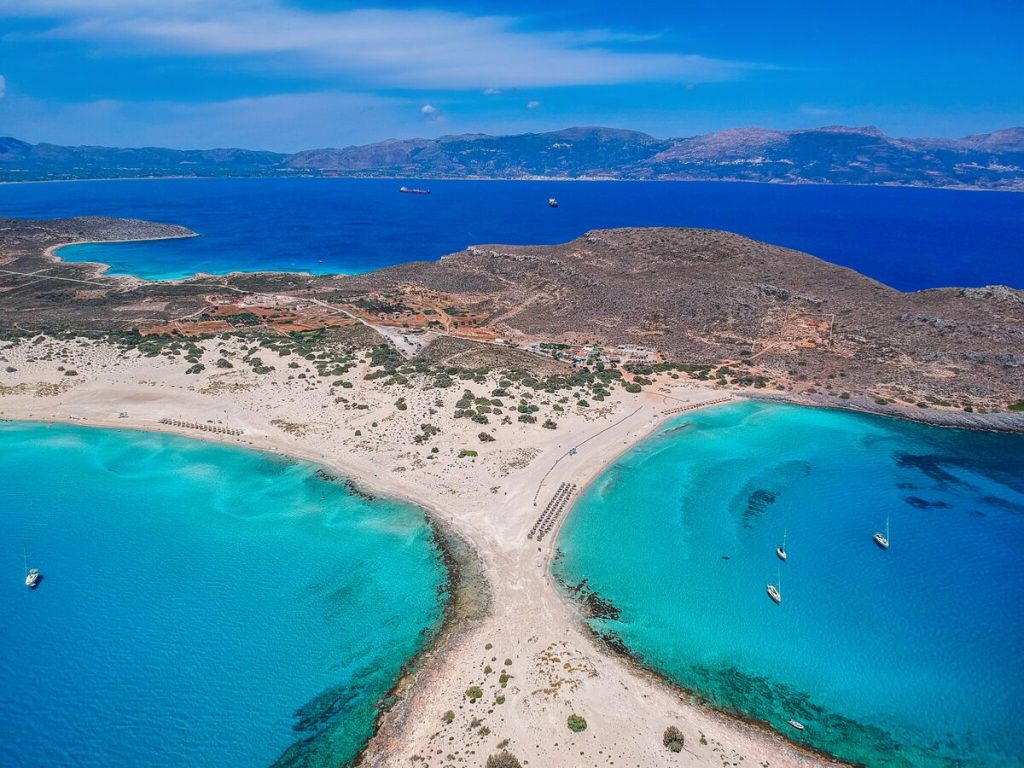
Elafonisos, near the southeastern tip of the Peloponnese, is loved for clear water, pale sand and a calmer island pace. Simos Beach is the best-known draw, but the pleasure of a stay here is often simplicity: time by the sea, unhurried meals and space to rest.
Island and ferry logistics deserve special attention when dialysis is part of the itinerary. Check seasonal transport, allow margin for connections and avoid assuming that a short distance on the map means a simple journey. Confirm how you will travel to and from every dialysis session before choosing your accommodation.
For another Greek island option, explore our guide to Rhodes and its blend of history, beaches and slower travel. If Crete appeals to you, discover hidden gems near Heraklion that you can explore while planning your dialysis holiday. If the idea of sailing or island-hopping appeals to you, Sailing in the Saronic Gulf introduces Aegina, Poros, Hydra, Spetses and the Methana Peninsula.
A few cultural cues that make travel feel easier
Greek social life is often warm and expressive. Conversations can be animated, meals can last and hospitality may arrive in the form of food, coffee or an invitation to sit for a while. You do not need to understand every custom perfectly. Curiosity and courtesy go a long way.
Keep these simple cues in mind:
Dress respectfully when visiting monasteries, churches and small communities. Individual sites may publish more specific requirements.
Let meals take their time when your schedule allows. Dining is often a social occasion, not only a practical stop.
Remember that familiar gestures can carry different meanings in different countries. When unsure, a smile and a polite question are safer than assuming.
Follow local signage about toilet-paper disposal, because plumbing arrangements vary.
Learn one useful word: “Efharisto” means “thank you.”
Cultural habits are never universal. Greece changes from busy city streets to quiet villages and from the mainland to the islands. Treat these ideas as helpful context, not rules about every person you will meet.
How to plan dialysis around a holiday in Greece?
–Start with treatment, then build the holiday around it
When arranging dialysis in Greece, speak with your renal team before making travel commitments. They can advise you about your individual treatment and help provide the information a receiving clinic may require.
Treatment availability should be one of the first details you check. Search for Greece or a specific city, enter the dates when you need treatment and compare the available options. The bookdialysis Greece page shows live clinic information, so it is more reliable than a fixed list in an older destination guide.
If the booking process feels unfamiliar, Booking Dialysis Abroad: What Patients Should Know explains what to expect, including treatment requests, confirmation and clinic-specific information.
–Compare the details that affect the whole trip
Look beyond the city name. Depending on the clinic profile, useful details may include:
- treatment type and available dates
- distance from your accommodation
- opening hours and available session shifts
- payment information and whether EHIC or GHIC is indicated
- facilities such as parking, Wi-Fi, refreshments or transfer options
- patient ratings and reviews
- clinic-specific medical-document requirements
Choose the clinic and accommodation together. A beautiful hotel can become impractical if every treatment day involves a difficult transfer.
Some travellers need more specific clinic information. If Hepatitis B or C affects your clinic search, our guide to Hepatitis B and C dialysis clinics in the Mediterranean includes a dedicated Greece section and explains why requirements should be checked in advance.
–Confirm dialysis before travel
Dialysis places can be limited, particularly in popular destinations and busy seasons. Submit the required information early and wait until the treatment arrangement is confirmed before finalising non-refundable flights, ferries or accommodation.
There is no single lead time that suits every destination or travel date. Availability depends on the clinic, season and treatment requirements. If you are unsure when to begin, our article on how far in advance to book holiday dialysis explains why starting early can give you more flexibility.
-Prepare the information requested by the clinic
An overseas clinic may ask for current treatment information, recent results, identification, medication details or other records. Requirements vary, so follow the exact instructions for your selected clinic and confirm anything unclear.
Keep travel confirmations, clinic contact details, treatment appointments, insurance information and emergency contacts together. The article Travel Abroad on Dialysis: 10 Questions Patients Ask Before Their First Trip covers documents, language concerns, unexpected changes and other practical questions that often arise during a first journey.
–Check EHIC, GHIC and payment details
EHIC or GHIC acceptance should not be assumed from the destination alone. Coverage and costs can depend on your eligibility and the status of the healthcare provider. Pre-book treatment, check the live clinic profile and verify the details with the clinic, card issuer, insurer or relevant authority before you travel.
Travellers from the UK can also read what a GHIC covers and what to verify before travelling before making payment or insurance decisions.
–Leave breathing room on treatment days
Try not to make a treatment day the most complicated day of the holiday. Leave room for transport, check-in and rest, and keep the remaining schedule flexible. If you are travelling between the mainland and an island, avoid tight connections that depend on every leg running perfectly.
For many people, the first trip feels more uncertain than the journeys that follow. What patients learn from their first dialysis holiday offers reassurance about how experience can make future travel feel more manageable.
-Travelling with a caregiver or companion
A companion can make a trip feel easier, but support works best when responsibilities are shared clearly. Before departure, decide who will keep the booking details, who will check transport on treatment days and who will contact the clinic if plans change.
Caregivers need a workable holiday too. Build in time when each person can rest or enjoy something independently. A clear plan should reduce the mental load for everyone, not transfer all of it to one person.
Our simple guide for carers travelling with someone on dialysis includes more practical and emotional support for planning a trip together.
Frequently asked questions about dialysis in Greece
Many people receiving dialysis travel safely, but individual circumstances differ. Discuss your plans with your renal team, arrange suitable dialysis in Greece before departure and confirm the clinic’s requirements. Treatment should be confirmed before booking.
Consider the actual travel time, available transport, accessibility and your treatment schedule, not only the distance shown on a map. Staying near the clinic or on a simple transport route can make treatment days easier and leave more energy for the holiday.
It may be possible at eligible providers, but acceptance and costs depend on the provider and your eligibility. Pre-book treatment, check the clinic’s current information and verify the details with the relevant organisation.
The best choice is the one that fits your treatment schedule, transport, accessibility, preferred pace and support needs. Begin with the live clinic map, then compare the surrounding destinations rather than choosing the holiday location in isolation.
Yes, but island-hopping requires careful coordination. Confirm every dialysis session first, check ferry or flight schedules and allow extra time for seasonal changes or delays.
Be a traveller, not a tourist
If dialysis in Greece is part of your travel plans, the holiday does not have to feel like a sequence of appointments. With the essentials arranged, it can be a morning among ancient streets, a slow meal by the sea, a mountain view or a conversation that lasts longer than expected.
Start with the practical foundation. Choose the experience you want. Then give yourself enough space to enjoy it.
Ready to explore Greece?