Every second Thursday in March, the world marks World Kidney Day. This day shines a spotlight on the importance of our kidneys and the critical role they play in our overall health. It aims to raise awareness about kidney diseases, particularly Chronic Kidney Disease (CKD), highlighting the importance of early detection and prevention. World Kidney Day encourages global action to tackle these issues and promote kidney health for everyone.
To mark this occasion, we've uploaded a captivating infographic from WorldKidneyDay.org that breaks down the most important facts about CKD. Sharing this infographic with your friends and family is a great way to spread awareness and help them understand what CKD is all about.
Download the infographic here.
Drawing from Good Housekeeping magazine and adding our personal experiences we selected our preferred destinations in Spain. You can organize a road trip or visit them separately, in any case, book your holiday dialysis first and be ready for a majestic experience. Here we go:
Seville: There are lots of lovely places to visit in Andalucia, but Seville is one of the most popular and with good reason. For a start, warm weather is all but guaranteed – the Spaniards don’t call it the ‘Frying Pan’ for nothing. The city’s old town and former Jewish quarter, Barrio de Santa Cruz, is home to the huge Gothic cathedral, the Alcázar Palace and the La Giralda bell tower. For a lively night out, visit one of Seville’s famous flamenco shows or a hole-in-the-wall bar. And if you’re hoping to stockpile ceramics, stop by the Tirana neighbourhood, which has lots of pottery studios.
Image Slide 2
Seville
Image Slide 1
Madrid: Often overlooked by tourists for Barcelona, Spain’s capital may not have beaches but it has plenty of landmarks, from its wide boulevards and pristine parks to its incredible culture. At the Prado Museum, visitors can admire works by Spanish masters including Velázquez and Goya. Another highlight is the Plaza Mayor, the city’s main square, which dates back to the 15th century. The grand Royal Palace is also worth a visit – in between tapas pit-stops, of course.
Discover more landmarks and cultural experiences in Must-See Attractions in Madrid. Madrid also appears in Our Winter Destinations Guide for travellers considering a winter city break. You can also view the current dialysis clinics in Madrid.
Barcelona: A cultural city with its own beach, Barcelona is a Spanish holiday destination that lets you combine a city and seaside break. High-brow highlights include the Picasso Museum, the art nouveau La Sagrada Familia and Gaudi’s other great Barcelona work, Park Güell. After winding your way through the Gothic Quarter’s narrow medieval lanes (and its restaurants and bars), you can put your feet up at the beach.
Mallorca: It’s not hard to see why Mallorca is such a classic Spanish holiday destination for Brits. The island has it all, from a vibrant capital and gorgeous beach resorts to the spectacular Serra de Tramuntana mountain range, lively port towns such as Sóller and inland villages favoured by artists such as Deià. Palma has a charming old town, an imposing Gothic cathedral and lots of excellent restaurants. From there, you can catch an old-fashioned tram all the way to Sóller for lunch at one of the restaurants lining the harbour.
Mallorca and Palma de Mallorca are also included in our wider resources about travelling in Spain. Travellers can browse current dialysis clinics in Mallorca or search specifically for dialysis clinics in Palma de Mallorca.
Planning dialysis holidays in Spain
Dialysis holidays in Spain can include cultural city breaks, coastal destinations and island stays. The country has clinic listings across several popular areas, but availability varies according to the destination, clinic and requested dates.
Start by exploring the current dialysis clinics in Spain. The live platform provides the most relevant information about available locations and individual clinic profiles.
For a wider overview of the country, read Dialysis Holidays in Spain: What Patients Need to Know. This guide includes Madrid, Barcelona, Valencia, Malaga, Palma de Mallorca and other Spanish destinations.
Travellers looking beyond the four destinations above may also consider Valencia. The city is mentioned in Chasing the Sun: Europe’s Brightest Cities for Sunshine Lovers and currently has dialysis clinic listings on bookdialysis.
Readers searching specifically for relevant clinic listings relating to Hepatitis B or C can consult Hepatitis B & C Dialysis Clinics in the Mediterranean. Individual requirements and clinic suitability must be confirmed during the booking process.
For additional inspiration covering Spanish destinations and local experiences, explore the bookdialysis Culture Guide.
Preparing for a trip to Spain
If this is your first international dialysis holiday, Travelling Abroad on Dialysis: A Step by Step Guide explains the main stages of planning a trip.
For information about treatment requests, clinic confirmation and the booking process, read Booking Dialysis Abroad: What Patients Should Know.
You can also find answers to common first-trip questions in Travel Abroad on Dialysis: 10 Questions Patients Ask Before Their First Trip.
For a broader explanation of treatment away from a regular dialysis unit, visit Holiday Dialysis: Everything You Need to Know to Travel Safely and With Confidence.
A treatment request is not the same as a confirmed appointment. The receiving clinic must review and accept the request before the sessions are considered confirmed.
Travelling with a caregiver or companion
A caregiver, partner or family member can help keep the confirmed clinic details, appointment information, transport arrangements and important contacts together.
Both travellers should understand which parts of the itinerary depend on the confirmed dialysis schedule. It can also be helpful to allow time for each person to rest or enjoy activities independently during the holiday.
FAQs about dialysis holidays in Spain
-Where can I find dialysis clinics in Spain?
Current destinations and clinic profiles are available on the bookdialysis Spain page. Availability should be checked for the intended travel dates.
-Can these destinations be combined in a road trip?
Madrid, Barcelona, Seville and Valencia are on mainland Spain, while Mallorca requires an additional flight or ferry journey. If treatment will be required in more than one location, clinic availability and appointments must be checked separately for each part of the trip.
Start planning your dialysis holiday in Spain
Spain offers historic cities, Mediterranean coastlines, cultural attractions and island escapes. Begin with your preferred destination and travel dates, compare the current clinic locations and build the wider itinerary around confirmed arrangements.
Explore dialysis clinics in Spain with bookdialysis
Read More
Kidneys perform crucial functions affecting every part of our organism. Their primary role is the excretion of metabolic end-products, such as urea and uric acid, toxins, and excess fluid, in order to maintain a stable balance of body chemicals and fluids. These bean-shaped organs function normally by filtering about 30% of plasma flow, generating approximately 150 litres of ultra-filtrate, which constitutes almost three times the total body water of a 70 kg weighing person. That’s why kidneys are the so-called filters of the human body.
When kidneys fail to perform their normal activity, patients run the risk of chronic kidney disease which is a major health concern, especially for patients with diabetes and hypertension. Kidney disease is defined as the presence of kidney damage for a period greater than 3 months with a reduced glomerular filtration rate (GFR < 60 mL/min/ for a body surface area of 1,73 m2).
Clinical studies show that 10% of the general population have or are at an increased risk of CKD. The CDC (Centers for Disease Control and Prevention) has estimated in 2019 that:
15% of US adults (37 million people) have chronic kidney disease
9 in 10 adults who are affected do not know they have the condition
1 in 2 people with very low kidney function who are not on dialysis don’t know their kidneys are failing
In order to help develop an intervention plan, the National Kidney Foundation KDOQI has created guidelines, classifying CKD in stages and providing evidence-based information for the evaluation and management of each stage.
Quick answer: What are the most common causes of CKD?
The most common causes of CKD in adults are commonly associated with diabetes and high blood pressure. Other conditions and circumstances may also contribute to kidney damage.
A cause, a risk factor, a symptom and a CKD stage describe different aspects of chronic kidney disease. These terms should not be treated as interchangeable.
What is the difference between a cause and a risk factor?
A cause contributes to the development of a condition. A risk factor is associated with a greater likelihood of developing it but does not confirm that the condition is present.
CKD does not have one cause that applies to everyone. Different conditions and circumstances may be relevant for different people.
For a broader introduction to factors associated with CKD, read Do you belong to a high-risk group for CKD?.
Can CKD exist without noticeable symptoms?
Some people may not notice clear changes, particularly during earlier stages. General symptoms cannot explain the underlying cause or determine a CKD stage.
Our article What are the symptoms of CKD? provides an overview of changes that may be associated with the condition.
How are the causes of CKD connected to its stages?
The cause and stage of CKD describe different parts of the condition.
The cause refers to why kidney damage developed. The stage forms part of the way CKD is classified. People at the same stage may have different underlying causes and experiences.
General information about the causes of CKD cannot be used to identify an individual stage or predict an individual outcome.
The emotional side of CKD
Learning about the causes, symptoms and stages of a long-term condition can sometimes create uncertainty. Emotional responses differ, and there is no single way someone is expected to feel.
Does CKD affect mental health? explores emotional wellbeing, confidence and support in the context of CKD.
FAQs about the causes of CKD
-What are the most common causes of CKD in adults?
Diabetes and high blood pressure are commonly identified as leading causes of CKD in adults.
-Is a cause of CKD the same as a risk factor?
No. A cause contributes to the development of CKD, while a risk factor is associated with a greater likelihood of developing it.
-Does having a risk factor confirm CKD?
No. A general risk factor cannot confirm whether an individual has chronic kidney disease.
-Can CKD have more than one contributing factor?
Yes. Different conditions and circumstances may occur together, and their relevance can vary between individuals.
-Can symptoms identify the cause of CKD?
No. General symptoms cannot reliably identify the presence, stage or underlying cause of CKD.
-Are the statistics in the original article current?
The statistics are identified in the original text as CDC estimates from 2019. They are retained for historical context and should not be presented as current data.
For readers already receiving dialysis
Readers who are already receiving dialysis and considering travel can begin with Can You Travel on Dialysis? What You Need to Know.
Travelling Abroad on Dialysis: A Step by Step Guide explains how destination selection, clinic availability and travel arrangements fit together.
For information about treatment requests and the confirmation process, continue with Booking Dialysis Abroad: What Patients Should Know.
Continue exploring CKD and dialysis travel
Discover more CKD resources, patient stories and dialysis travel guides on the bookdialysis blog.
Explore all bookdialysis blog articles
Originally posted at bookdialysis.com
Beneath the relentless sun, the sands of Egypt whisper tales of pharaohs and pyramids, echoing millennia past. The Nile, a lifeblood vein, snakes through verdant valleys, nourishing vibrant cities like Cairo, where ancient mosques kiss modern skyscrapers. In Luxor, colossal temples stand guard, silent witnesses to the glory of Ramses and Hatshepsut. Across the desert, the Sphinx gazes enigmatically, its secrets locked beneath the moonlight. Egypt, a land where history breathes in every grain of sand, beckons the curious traveller with the promise of timeless wonder.
What can travellers explore near Cairo clinics?
Cairo offers museums, historic neighbourhoods, markets and experiences along the Nile. Depending on the location of the selected clinic and accommodation, visitors may consider:
The Egyptian Museum and Tahrir Square
Cairo Tower and the Nile waterfront
Khan el-Khalili
The historic streets of Islamic Cairo
Al-Azhar Park
The National Museum of Egyptian Civilisation
Cairo is a large and busy city. A destination may appear nearby on a general map while still requiring a significant journey through city traffic. Compare the clinic, accommodation and planned attractions before finalising the itinerary.
Explore dialysis clinics in Cairo
What can travellers explore near Giza clinics?
Giza is a natural choice for travellers who want to experience Egypt’s best-known ancient landmarks while staying within an area where bookdialysis currently presents clinic options.
Places to consider include:
The Pyramids of Giza
The Great Sphinx
The Grand Egyptian Museum
The wider Giza Plateau
The Grand Egyptian Museum and the Giza Plateau can fit naturally into the same destination plan. However, the exact journey will depend on the selected clinic, accommodation and local traffic.
Cairo and Giza form part of the same wider metropolitan area, but they should not automatically be treated as a single compact neighbourhood. Compare both areas carefully before choosing where to stay.
Explore dialysis clinics in Giza
What can travellers explore near the Hurghada clinic?
Hurghada offers a different Egyptian experience, centred on the Red Sea and a more relaxed coastal environment.
Nearby places and experiences may include:
Hurghada Marina
The El Dahar old town area
The Red Sea waterfront
Local markets
Seafront promenades
Resort areas within Hurghada
Hurghada extends across a long coastal area. A hotel or resort may still be some distance from the clinic, even when both are described as being in Hurghada. Check the complete route before choosing accommodation.
Explore dialysis clinics in Hurghada
Should travellers choose Cairo, Giza or Hurghada?
The right base depends on the kind of Egyptian experience the traveller wants and where suitable clinic availability can be confirmed.
Choose Cairo for museums, city life, the Nile and historic neighbourhoods.
Explore Giza for easier access to the pyramids, the Sphinx and the Grand Egyptian Museum.
Visit Hurghada for a Red Sea holiday with beaches, resorts and a slower coastal atmosphere.
A practical destination is one where the clinic, accommodation, transport and planned activities work together.
Planning dialysis in Egypt around the destination
Planning dialysis in Egypt starts with the parts of the journey that have fixed dates and locations. Once the clinic and requested sessions are confirmed, accommodation and sightseeing can be organised around them.
Our guide, Travelling Abroad on Dialysis: A Step by Step Guide, explains how the stages of an international dialysis trip fit together.
For details about treatment requests, clinic confirmation and possible document requirements, read Booking Dialysis Abroad: What Patients Should Know.
Readers considering their first trip can begin with Can You Travel on Dialysis? What You Need to Know.
For a wider introduction to time away from a regular dialysis unit, Holiday Dialysis: Everything You Need to Know explains the general planning journey.
Understanding Egyptian culture
Learning about local customs can make an Egyptian journey more meaningful. The bookdialysis Culture Guide includes a section about Egypt, with introductory information about greetings, etiquette and everyday cultural expectations.
Cultural observations are general rather than universal. Travellers can follow local guidance and respond respectfully to the people and situations they encounter.
Communication during dialysis travel
Travelling to Egypt may introduce questions about language, clinic instructions and who to contact when something is unclear.
Communication: The Invisible Barrier in Dialysis Travel explores how clear information and agreed contact points can make an international journey easier to understand.
A note for companions and caregivers
A companion can help compare the clinic, accommodation and attractions on the same map. It may also be useful to keep the clinic address, appointment times, transport information and contact details together.
When planning a multi-city journey, everyone involved should understand which clinic and accommodation apply to each part of the trip.
FAQs about dialysis in Egypt
Where can travellers find dialysis in Egypt through bookdialysis?+
The current bookdialysis Egypt page presents clinic options in Cairo, Giza and Hurghada. Travellers can use the live Egypt destination page to check the locations shown for their preferred dates.
Can Cairo and Giza be included in the same itinerary?+
They can form part of the same wider itinerary, but travel times vary. The selected clinic, accommodation and attractions should be compared together rather than assuming every location is close.
Can Cairo and Hurghada be combined in one journey?+
Cairo and Hurghada are separate destinations. A trip that includes both should be treated as a multi-city itinerary, with transport, accommodation and clinic arrangements considered separately for each part.
Which destination is closest to the pyramids?+
Giza is the most relevant base for the Pyramids of Giza, the Great Sphinx and the Grand Egyptian Museum. The exact convenience depends on the location of the selected clinic and accommodation.
Is Hurghada suitable for a Red Sea holiday?+
Hurghada is the clinic location in the current network that most directly supports a Red Sea-based itinerary. Accommodation should still be compared with the clinic location because the resort area covers a long section of coastline.
Is submitting a treatment request the same as receiving confirmation?+
No. A request needs to be reviewed and accepted by the selected clinic. Booking Dialysis Abroad: What Patients Should Know explains the difference between submitting a request and receiving confirmation.
Explore dialysis in Egypt
Compare current clinic locations in Cairo, Giza and Hurghada, select your preferred travel dates and explore the options displayed by bookdialysis.com.
Explore dialysis clinics in Egypt
https://youtu.be/ClMbP7qyzYo
Before you dive deeper into the analysis of CKD stages, it is crucial to recognise if you are more susceptible to the disease. The main risk factors for CKD include
diabetes
high blood pressure
family history of CKD
older age
Other that can damage kidneys directly are
urinary stones
urinary tract infections
lower urinary tract obstruction etc.
Furthermore, uncontrolled blood pressure, poor glycemic control in diabetes, smoking and obesity increase the progression of every CKD stage and, if not managed, eventually lead to kidney failure.
FAQs
Does having one risk factor mean someone has CKD?+
No. A risk factor is not a diagnosis and does not confirm that CKD is present.
Can someone have more than one CKD risk factor?+
Yes. Different characteristics and conditions can occur together, but their combined significance cannot be determined from a general list.
Is family history the same as an inherited kidney condition?+
Not necessarily. A family history means that CKD or kidney failure has affected someone in the family. It does not explain the cause or predict what will happen to another family member.
Does older age mean that CKD is inevitable?+
No. Older age may be discussed as a risk factor, but it does not mean that every older person has or will develop CKD.
Can this list be used to assess personal CKD risk?+
No. The list provides general awareness information and cannot assess an individual’s health or personal level of risk.
More about CKD
To continue exploring the subject, read What are the symptoms of CKD?, which provides general awareness information about changes that may be associated with CKD.
The emotional side of living with a long-term condition is explored in Does CKD affect Mental Health?.
Readers who are already planning a trip can also explore A list of dos and don’ts for CKD travellers for additional travel-related information.
For seasonal destination inspiration, visit Our winter destinations guide, created with CKD and dialysis travellers in mind.
Originally posted at bookdialysis.com
Find your next dialysis treatment
Berlin is undoubtedly one of the most interesting cities in the world, with iconic landmarks serving as a reminder of the country’s history, and numerous fascinating museums, opera houses & theatres, inviting people to experience the vibrant culture of the city. Berlin’s food scene will excite food enthusiasts, offering diverse food markets, street food, and other unique dining experiences, while the city’s many parks and green spaces offer serenity and picturesque views. Here are our top recommendations on things to do in Berlin:
Madrid
The Brandenburg Gate
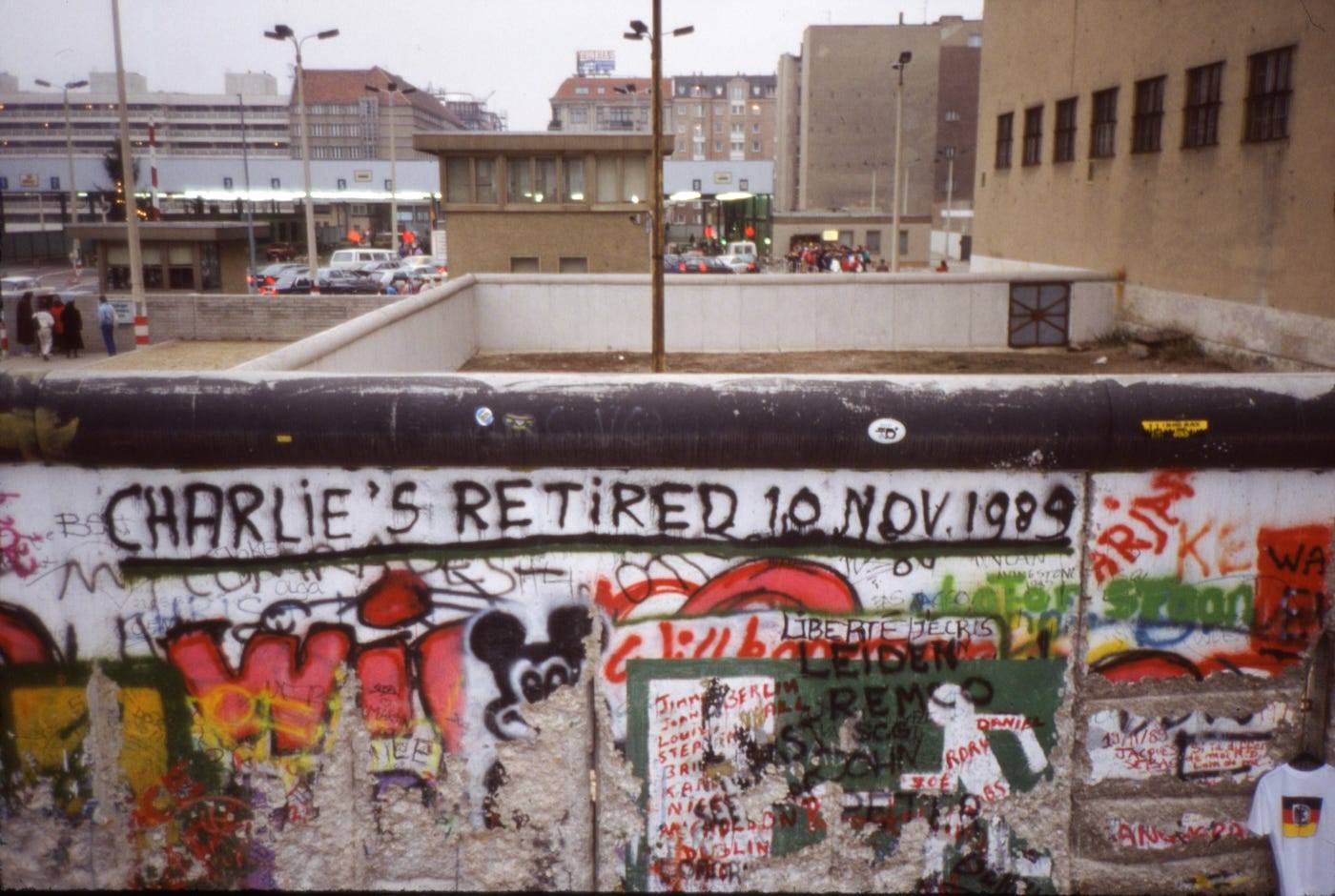
Berlin wall
The Berlin Wall
Spree River
The Spree River
Spree River
The Memorial to the Murdered Jews of Europe
1. Visit the Brandenburg Gate and explore Mitte. The Brandenburg Gate is one of the most iconic landmarks in Berlin, and it’s definitely worth a visit. From there, you can wander around the Mitte district, which is home to many other popular attractions, such as the Reichstag Building, the Unter den Linden boulevard, and Museum Island.
2. Walk along the Berlin Wall. The Berlin Wall was a physical barrier that divided Berlin from 1961 to 1989. Today, you can walk along the remains of the wall, which have been turned into a memorial and open-air museum. There are also several sections of the wall that have been preserved in their original state, giving you a glimpse into what it was like during the Cold War.
3. Pay your respects at the Memorial to the Murdered Jews of Europe. This moving memorial is dedicated to the victims of the Holocaust. It is a large, open-air space with 2,711 concrete slabs arranged in a grid. It is a powerful and thought-provoking place to visit.
4. Take a boat tour on the Spree River. The Spree River is a beautiful waterway that winds its way through the heart of Berlin. There are a number of different boat tours available, so you can choose one that interests you. For example, you could take a historical tour, a sightseeing tour, or even a boat party.
5. Sample the local cuisine. Berlin has a great food scene, with something to offer everyone - from traditional German dishes to international cuisine from all over the world, you’re sure to find something to tantalise your taste buds. However, always be sure to follow your healthcare team’s nutrition recommendations (it can be easy to forget this while travelling!), and make adjustments to your meals as needed.
FAQs about dialysis in Berlin
-Are there dialysis clinics available for visitors in Berlin?
Yes. Bookdialysis.com currently lists two dialysis clinics in Berlin. Travellers can view the available clinics in Berlin, compare their locations and submit a treatment request for their preferred dates.
-Can I use an EHIC or GHIC for dialysis in Berlin?
The clinics currently listed on BookDialysis indicate EHIC and GHIC coverage. Eligibility, possible charges and the required documents should always be confirmed for the selected clinic and individual booking before travelling.
-What facilities do the Berlin dialysis clinics offer?
Facilities shown on the current clinic profiles include refreshments, free Wi-Fi and television screens. Services can differ between clinics, so check the selected clinic’s profile for the latest information.
-How close are the dialysis clinics to central Berlin?
The Bookdialysis clinic profiles show each clinic’s approximate distance from the city centre. Compare the clinic location with your accommodation and the places you plan to visit before finalising your stay.
-How early should I arrange dialysis in Berlin?
It is helpful to submit your request as early as possible, especially when travelling during Christmas, New Year or another busy period. Early planning provides more time for availability checks and the review of any information requested by the clinic.
-What information might the clinic require?
Requirements vary, but the receiving clinic may request information about your current treatment and recent results from your home dialysis unit. Booking Dialysis Abroad: What Patients Should Know explains the booking and confirmation process in more detail.
-Is submitting a request the same as having confirmed treatment?
No. A treatment request must first be reviewed and accepted by the receiving clinic. Wait until your dialysis sessions have been confirmed before making non-refundable travel arrangements.
Planning your dialysis trip to Berlin
If this is your first international trip while receiving dialysis, start with our cornerstone guide, Travelling Abroad on Dialysis: A Step by Step Guide. It explains the complete journey, from choosing a destination to preparing for your first treatment abroad.
Travelling during the colder months? Berlin’s museums, theatres and Christmas markets also feature in our winter destinations guide for dialysis travellers.
For a broader introduction to planning time away while continuing treatment, read Holiday Dialysis: Everything You Need to Know to Travel Safely and With Confidence
Just book your holiday dialysis here
Auf Wiedersehen!
Read More
We have prepared a guide for CKD travellers, just like you! Designed to take you on a tour around our network, our guide focuses on local cultures, hidden gems, and dos & don’ts in different countries - everything you need to know, to be a traveller and not a tourist, while exploring new worlds.
Download the Culture Guide
back to homepage
Facebook
Linkedin
Instagram
Link
Winter dialysis travel offers many different possibilities, from warmer destinations and European city breaks to Christmas markets, cruises and longer journeys. For people receiving dialysis, choosing a destination is only one part of the process. Treatment availability, travel dates, accommodation and transport also need to fit together.
What did the ABTA research find?
Recent research from ABTA (The Association of British Travel Agents) revealed a notable surge in winter holidays. Almost a third of respondents expressed intentions to travel abroad this winter. The data indicated that 29% of those surveyed were planning a winter getaway, marking a 16% increase in bookings compared to the previous year.
Among the preferred types of winter holidays, escaping to warmer climates for winter sun emerged as the most popular choice at 31%, city breaks at 22%, and UK-based getaways at 14%. Other favoured options included ski holidays (9%), cruises (5%), visits to Christmas markets (4%), and Northern Lights excursions (4%).
Notably, the Caribbean and Asia experienced a heightened interest in winter travel, with bookings to the Caribbean surging by 21% and to Asia by 17%. The report also highlighted Cape Verde as a destination witnessing robust growth in winter sun seekers.
In terms of age groups, individuals aged 25 to 34 stood out as the people most inclined to embark on a winter holiday this year, comprising 36% of respondents. The second most likely group to do so were individuals over 65, accounting for 33% of respondents.
Thinking of going on a winter trip soon? Check out our recommendations in our Winter Destination Guide or browse through our platform, with destinations in over 64 countries to choose from.
What does winter travel mean for dialysis travellers?
Winter can offer a wide range of travel experiences. Some people prefer a warm coastal destination, while others enjoy quieter cities, festive markets or cultural trips outside the busiest summer months.
For people receiving dialysis, the planning process can begin by identifying destinations where suitable treatment may be available. Our winter destinations guide for dialysis travellers brings together snowy retreats, European cities and warmer escapes.
Readers who are beginning to consider an international trip can follow our cornerstone guide, Travelling Abroad on Dialysis: A Step by Step Guide. It explains how to approach the journey in clear stages.
Once a destination and possible dates have been identified, our second cornerstone article, Booking Dialysis Abroad: What Patients Should Know, explains treatment requests, clinic confirmation and the information a receiving clinic may require.
Winter destination ideas
-Winter sun in Spain
Spain offers a combination of coastal destinations, islands and cultural city breaks. The Canary Islands may appeal to travellers seeking milder winter weather, while Madrid and Barcelona provide museums, architecture and seasonal city experiences.
Read Dialysis Holidays in Spain: What Patients Need to Know for destination and treatment-planning information.
-A quieter winter break in Greece
Athens and other parts of Greece can provide a different experience outside the summer season, with fewer crowds and more time for cultural sightseeing.
Our guide, How Can I Plan Dialysis in Greece?, connects destination choices with practical dialysis arrangements.
-A winter city break in Rome
Rome’s historic neighbourhoods, museums and landmarks can be explored throughout the year. Winter may offer a quieter alternative to the city’s busiest visitor periods.
Explore Dialysis in Italy: Rome’s Hidden Gems and Where to Travel with Confidence.
-A long-haul trip to Singapore
For travellers interested in Asia, Singapore offers an organised urban environment, public transport, cultural attractions and year-round warmth.
Read Holiday Dialysis in Singapore: A Complete Travel Guide for a patient-inspired perspective.
-A peaceful winter escape to Mauritius
Mauritius can appeal to travellers looking for warmer weather, coastal scenery and a slower holiday pace.
Our complete guide to dialysis on Mauritius explains how treatment and the wider trip can be organised together.
Start with treatment planning
A winter holiday may involve popular travel dates, limited clinic availability and seasonal transport schedules. Beginning early can provide more time to explore clinic options and understand what information is needed.
For a broader introduction, read Holiday Dialysis: Everything You Need to Know to Travel Safely and With Confidence.
Patients who are still deciding whether a trip feels possible may also find Can You Travel on Dialysis? What You Need to Know helpful.
FAQs
-Can people receiving dialysis take a winter holiday?
Many people receiving dialysis continue to travel. Each person’s circumstances and treatment requirements are different, so suitable dialysis arrangements need to be explored before departure.
-Should dialysis be arranged before booking flights?
It is helpful to check treatment availability and understand the confirmation process before making non-refundable travel arrangements.
-Is winter sun better than a city break?
There is no single option that suits everyone. The right choice depends on personal preferences, journey length, weather, accessibility, clinic availability and the type of holiday someone wants to experience.
-Where should a first-time dialysis traveller begin?
Start by understanding the complete process through the step-by-step guide to travelling abroad on dialysis. You can then explore suitable destinations and learn how booking dialysis abroad works.
Travel information notice: Destination details, entry requirements and clinic availability can change. Discuss individual treatment or travel questions with your renal team.
Ready to explore your winter travel options?
Browse destinations, compare dialysis clinics and begin exploring treatment availability for your preferred winter travel dates.
Explore dialysis destinations and clinics
Living with Chronic Kidney Disease (CKD) may involve emotional as well as physical adjustments. Uncertainty, changing routines and concerns about the future can sometimes affect a person’s confidence and general sense of wellbeing.
These experiences are personal and may differ considerably from one individual to another. Some people may find everyday changes manageable, while others may benefit from additional information, understanding or support.
Readers looking for a broader introduction can learn more about Chronic Kidney Disease and the changes that may be associated with it.
Supporting your mental wellbeing while living with CKD
Dealing with a chronic disease like Chronic Kidney Disease (CKD) can be physically and emotionally challenging. However, managing your mental health is just as important as managing your physical health. Here are some things you can try to feel more positive:
Be Open to Professional Support: A mental health professional, such as a psychologist or therapist, can provide valuable support in coping with the emotional challenges associated with CKD.
Talk: Talk openly with your healthcare team about your feelings, concerns, and any symptoms of depression or anxiety you may be experiencing.
Learn and Understand: Understanding your condition and treatment options can help alleviate anxiety and uncertainty. Ask your healthcare provider for educational resources or support groups for CKD patients.
Maintain a Support System: Lean on family, friends, and support groups. They can provide emotional support, understanding, and a listening ear during difficult times.
Practice Self-Care: Engage in activities that promote relaxation and well-being. This may include meditation, deep breathing exercises, yoga, or hobbies you enjoy.
Physical Activity: Engage in regular, moderate exercise if your healthcare team approves. Exercise has been shown to have positive effects on mental health.
Nutrition and Hydration: Eating a balanced diet and staying properly hydrated can positively impact both your physical and mental well-being.
Manage Stress: Utilise stress-reducing techniques like mindfulness, journaling, or engaging in activities that you find calming.
Set Realistic Goals: Break down larger tasks into smaller, manageable steps. Celebrate your achievements along the way.
Advocate for Yourself: Knowledge about your condition empowers you to be an active participant in your care. Advocate for your needs and preferences.
Address Sleep Issues: If you’re having trouble sleeping, talk to your healthcare provider. Proper rest is crucial for mental and physical health.
Acknowledge and Validate Your Emotions: It’s normal to feel a range of emotions when living with a chronic disease. Allow yourself to feel and process these emotions without judgment.
Monitor for Signs of Depression and Anxiety: If you experience symptoms like persistent sadness, loss of interest in activities, changes in appetite or sleep patterns, or feelings of hopelessness, seek professional help.
Remember, mental health is an integral part of overall health. Prioritising your mental well-being can lead to a better quality of life, even while managing a chronic condition like CKD. Always consult with your healthcare provider for personalised advice and recommendations.
Small steps can help rebuild confidence
Emotional adjustment does not always happen immediately. Small, manageable steps, supportive relationships and positive everyday experiences can help people feel more confident over time.
Our guide to living with anxiety on dialysis explores how uncertainty can affect daily life and why clear information and support may help things feel more manageable.
Readers receiving dialysis may also find it helpful to explore how emotional support and confidence can shape life with treatment.
For a broader perspective, read why many dialysis patients underestimate what they can still do.
Mental wellbeing and dialysis travel
Travel can bring excitement, but it can also introduce unfamiliar decisions. Questions about treatment arrangements, clinic availability, documents and schedules may feel overwhelming, particularly before a first trip.
Understanding each stage of the process can make those decisions feel clearer. Our guide, Travelling Abroad on Dialysis: A Step by Step Guide, explains the journey in manageable stages.
For practical information about treatment requests, clinic confirmation and the documents that may be required, continue with our article, Booking Dialysis Abroad: What Patients Should Know.
FAQs
-Can living with CKD affect emotional wellbeing?
Living with a long-term condition can involve uncertainty, changing routines and a range of emotions. Every person’s experience is different and there is no single way someone is expected to feel.
-Is it normal to feel overwhelmed after starting dialysis?
Some people experience uncertainty or reduced confidence while adjusting to new routines. Others may adapt more quickly. Both experiences are personal and valid.
-Does asking for support mean that someone is not coping well?
No. Seeking information, sharing concerns or accepting support can be part of understanding and responding to a changing situation.
-Can people receiving dialysis continue making plans?
Many people receiving dialysis continue spending time with loved ones, pursuing personal goals and travelling. Some activities may require additional organisation, but treatment does not have to define every part of life.
-Where can someone find more support?
Support may come from family, friends, patient communities, healthcare teams or appropriately qualified mental health professionals. The right form of support depends on the individual and their circumstances.
Ready to explore what is possible?
When the time feels right, clear information and organised treatment arrangements can make dialysis travel feel more manageable. Explore available destinations and dialysis clinics, and take the process one step at a time.
Explore dialysis destinations and clinics with bookdialysis.com
Chronic kidney disease, commonly referred to as CKD, can affect people in different ways. Some people may notice changes in their general wellbeing, while others may experience no obvious changes, particularly during the earlier stages.
The following information is provided for general awareness. The presence or absence of these symptoms cannot, by itself, confirm whether someone has CKD.
What role do the kidneys play?
Kidneys perform crucial functions affecting every part of our organism. Their primary role is the excretion of metabolic end-products, such as urea and uric acid, toxins, and excess fluid, in order to maintain a stable balance of body chemicals and fluids. These bean-shaped organs function normally by filtering about 30% of plasma flow, generating approximately 150 litres of ultra-filtrate, which constitutes almost three times the total body water of a 70 kg weighing person. That’s why kidneys are the so-called filters of the human body.
Changes that may be associated with CKD
lower energy levels and an overall feeling of being more tired
sleeping difficulties
loss of appetite
trouble concentrating
muscle cramps during the night
urge to urinate more often, especially during the night
puffiness in your eye area, especially after waking up
swelling of your feet and ankles
dry, itchy skin
Can CKD exist without noticeable symptoms?
Some people with CKD may not notice clear changes, particularly during the earlier stages. The way CKD is experienced can vary from one person to another.
The changes listed above are not unique to CKD and may have many different explanations. They should therefore be understood as general awareness information rather than as a way to identify a health condition.
Why symptoms do not tell the whole story
Symptoms alone cannot reliably confirm whether CKD is present or indicate how advanced it may be. Information about kidney health may come from a combination of a person’s health history and routine blood and urine test results.
The meaning of any symptom or test result depends on the individual’s circumstances and should be interpreted in the appropriate professional context.
FAQs
What are the first noticeable changes associated with CKD?+
There is no single experience that applies to everyone. Some people may notice tiredness, changes in urination, swelling, sleeping difficulties or reduced appetite, while others may not notice any clear changes.
Do these changes always indicate kidney disease?+
No. The changes listed in this article are not specific to CKD and may have many possible explanations.
Can symptoms indicate the stage of CKD?+
Symptoms alone cannot reliably show whether CKD is present or how advanced it may be.
Can someone have CKD without feeling unwell?+
Yes. Some people may not experience noticeable changes, particularly during the earlier stages.
Living beyond dialysis
For patients who are already receiving dialysis, treatment does not necessarily mean giving up everyday goals, meaningful experiences or future plans. Fiona’s story offers a personal perspective on living with dialysis and continuing to make plans.
Travel may also remain part of life after dialysis becomes part of a person’s routine. Readers beginning to explore this possibility can start with our guide, Travelling Abroad on Dialysis: A Step by Step Guide. It presents the travel-planning process in clear, manageable stages.
For a closer look at treatment requests, clinic confirmation, documents and practical arrangements, continue with our cornerstone article, Booking Dialysis Abroad: What Patients Should Know.
Readers who are still wondering whether travel can remain part of their lives may also find Can You Travel on Dialysis? What You Need to Know helpful.
Originally posted at bookdialysis.com
Find your next destination