Welcome to the bookdialysis’ blog, 

the heart of our CKD travellers’ community.

Wellbeing

Family time is health time

In today's fast-paced world, it's easy to get caught up in the hustle and bustle of daily life. Between work commitments, social obligations, and personal pursuits, finding time for family can sometimes take a backseat. However, research consistently shows that spending quality time with family is not only enjoyable but also incredibly beneficial for our health and well-being. In this article, we'll explore the various ways in which family time positively impacts our physical, mental, and emotional health. First and foremost, spending time with family provides us with a sense of belonging and connectedness. Human beings are social creatures by nature, and nurturing relationships with family members help fulfill our fundamental need for companionship and support. When we feel loved and supported by our family, our stress levels decrease, and our overall sense of happiness and fulfillment increases. This, in turn, has a positive impact on our mental and emotional well-being. https://youtu.be/-JBV5udllPQ In addition to the physical benefits, spending time with family also provides opportunities for relaxation and stress relief. In today's hyper-connected world, many of us are constantly bombarded with emails, notifications, and other sources of information overload. Taking a break from screens and spending uninterrupted time with loved ones allows us to recharge and rejuvenate our minds and bodies. Engaging in leisurely activities such as board games, cooking together, or simply having a conversation can be incredibly therapeutic and help alleviate stress and anxiety. Moreover, family time strengthens interpersonal relationships and fosters communication skills. When we spend time with family, we have the opportunity to bond with each other, share experiences, and create lasting memories. These shared experiences help build trust and mutual respect among family members, which are essential components of healthy relationships. Additionally, open communication within the family promotes emotional intimacy and enables us to express our thoughts, feelings, and concerns in a safe and supportive environment. Research also suggests that strong family ties are associated with better mental health outcomes. Studies have found that individuals who have close relationships with family members are less likely to experience depression, anxiety, and other mental health issues. The emotional support provided by family members can help buffer against the negative effects of stress and adversity, leading to greater resilience and emotional well-being. In conclusion, spending time with family is not only enjoyable but also essential for our health and well-being. From fostering a sense of belonging and connectedness to promoting physical activity and reducing stress, the benefits of family time are undeniable. As we navigate the complexities of modern life, let's make it a priority to carve out quality time for our loved ones. Whether it's sharing a meal, going on a weekend getaway, or simply spending a quiet evening at home, investing in our family relationships pays dividends for our health and happiness in the long run.

Read More
Destinations

Embracing the Swedish Tradition of Fika: More Than Just a Coffee Break

In Sweden, there's a cultural institution that goes beyond the typical coffee break. It's called "fika" (pronounced fee-ka), and it's more than just a moment to grab a cup of coffee. Fika is deeply ingrained in Swedish society and represents a cherished time for relaxation, socializing, and indulging in delicious pastries. Let's delve into what makes fika so special and why it's an integral part of Swedish life. At its core, fika is about taking a break, often accompanied by coffee and something sweet, to unwind and connect with others. It's a social ritual that transcends the boundaries of age, profession, and social status. Whether you're at work, home, or a café, fika provides an opportunity to pause, recharge, and enjoy the simple pleasures of life. What distinguishes fika from a regular coffee break is the emphasis on slowing down and being present in the moment. It's not just about rushing to refuel with caffeine; it's about savoring the experience. Swedes take pride in the quality of their coffee and pastries, and fika is a celebration of these culinary delights. From cinnamon buns (kanelbullar) to almond cakes (mandelkaka), there's no shortage of delectable treats to accompany your coffee. Fika is also a chance to foster relationships and strengthen social bonds. It's common for colleagues to gather for fika in the workplace, using it as an opportunity to discuss both work-related matters and personal anecdotes. In this sense, fika promotes a sense of camaraderie and teamwork, contributing to a positive work environment. Beyond its social aspects, fika serves as a means of self-care and mindfulness. In today's fast-paced world, taking a moment to pause and enjoy a cup of coffee can feel like a luxury. However, for Swedes, it's a daily practice deeply ingrained in their cultural identity. By prioritizing fika, they prioritize their well-being and mental health, recognizing the importance of balance in life. The concept of fika has gained recognition beyond Sweden's borders, with cafes around the world adopting the tradition and incorporating it into their menus. However, there's something uniquely Swedish about the ritualistic nature of fika and its role in society. It's not just about the coffee or pastries; it's about the experience of coming together, sharing stories, and finding joy in the little things. In conclusion, fika embodies the essence of Swedish culture—a blend of warmth, hospitality, and simplicity. It's a reminder to slow down, connect with others, and appreciate life's small pleasures. So, the next time you find yourself in Sweden or at a Swedish-inspired café, be sure to indulge in the tradition of fika. After all, there's nothing quite like sipping coffee and enjoying a pastry in good company. Download our Culture Guide for more cultural insights!

Read More
Destinations

Get ready for Jubilee 2025

Jubilee traditionally refers to a special anniversary or celebration, often marking a significant event, milestone, or anniversary. The term has historical and religious roots, originating from the Hebrew word "yovel" in the Old Testament, which referred to a year of liberation and restoration that occurred every fifty years in ancient Israel. In a broader sense, jubilee has come to signify a time of rejoicing, reflection, and communal celebration. It can be observed in various contexts, including cultural, religious, and historical commemorations, and is often marked by festivities, ceremonies, and special events. The Jubilee of 2025 marks a significant milestone in history, commemorating a momentous event or anniversary with grand celebrations and festivities. Whether it's the anniversary of a nation's independence, the founding of a city, or a significant cultural or religious event, jubilees serve as a time for reflection, unity, and rejoicing. As preparations for Jubilee 2025 begin, anticipation fills the air, with communities coming together to plan and organize a myriad of events and activities. From parades and concerts to exhibitions and religious ceremonies, the jubilee offers a diverse range of experiences for people of all ages and backgrounds to enjoy. For many, Jubilee 2025 holds profound cultural and historical significance, serving as a reminder of the trials and triumphs that have shaped society. It's a time to honor the achievements of the past, celebrate the present, and envision a brighter future for generations to come. As the jubilee unfolds, the streets come alive with color and excitement, as locals and visitors alike participate in the festivities. From elaborate fireworks displays lighting up the night sky to traditional dances and performances showcasing the region's rich cultural heritage, Jubilee 2025 promises to be an unforgettable experience for all who attend. Amidst the revelry, Jubilee 2025 also offers an opportunity for reflection and introspection, encouraging individuals to contemplate the values and principles that bind communities together. It's a time to foster unity, promote understanding, and embrace diversity, as we look forward to the next chapter in our collective journey. Start preparing for Jubilee 2025, by booking your holidays at http://www.bookdialysis.com Watch a Jubilee 2025 in 30 seconds here.

Read More
Destinations

Bali in a blink

Bali, an Indonesian island known for its forested volcanic mountains, iconic rice paddies, beaches, and coral reefs, is a paradise that beckons travelers from across the globe. Steeped in rich culture and tradition, Bali offers a vibrant tapestry of experiences for every type of visitor. From spiritual seekers drawn to its countless temples and yoga retreats to adventure enthusiasts lured by its world-class surfing and diving spots, Bali has something for everyone. The heart of Bali lies in its deeply spiritual atmosphere, where Hindu traditions intertwine with daily life. Ubud, Bali's cultural epicenter, captivates visitors with its lush surroundings and artisanal crafts. Wander through its bustling markets filled with intricate handcrafted souvenirs or immerse yourself in a traditional Balinese dance performance for a taste of the island's vibrant culture. Beyond its cultural riches, Bali's natural beauty is awe-inspiring. Pristine beaches such as Kuta and Seminyak offer sun-seekers a slice of paradise, while the rugged landscapes of the interior boast breathtaking waterfalls and terraced rice fields. For those seeking tranquility, the island's quieter corners, like the idyllic village of Sidemen, provide a peaceful retreat amidst stunning scenery. With its captivating blend of spirituality, culture, and natural splendor, Bali continues to enchant and inspire travelers seeking an unforgettable tropical escape. https://youtu.be/zc0fJ9ittgQ Book your dialysis treatment in Bali.

Read More
Knowledge hub

World Kidney Day 2024

Every second Thursday in March, the world marks World Kidney Day. This day shines a spotlight on the importance of our kidneys and the critical role they play in our overall health. It aims to raise awareness about kidney diseases, particularly Chronic Kidney Disease (CKD), highlighting the importance of early detection and prevention. World Kidney Day encourages global action to tackle these issues and promote kidney health for everyone. To mark this occasion, we've uploaded a captivating infographic from WorldKidneyDay.org that breaks down the most important facts about CKD. Sharing this infographic with your friends and family is a great way to spread awareness and help them understand what CKD is all about. Download the infographic here.

Read More
Destinations

Four destinations to love in Spain

Drawing from Good Housekeeping magazine and adding our personal experiences we selected our preferred destinations in Spain. You can organize a road trip or visit them separately, in any case, book your holiday dialysis first and be ready for a majestic experience. Here we go: Seville: There are lots of lovely places to visit in Andalucia, but Seville is one of the most popular and with good reason. For a start, warm weather is all but guaranteed – the Spaniards don’t call it the ‘Frying Pan’ for nothing. The city’s old town and former Jewish quarter, Barrio de Santa Cruz, is home to the huge Gothic cathedral, the Alcázar Palace and the La Giralda bell tower. For a lively night out, visit one of Seville’s famous flamenco shows or a hole-in-the-wall bar. And if you’re hoping to stockpile ceramics, stop by the Tirana neighbourhood, which has lots of pottery studios.

Image Slide 1
previous arrowprevious arrow
next arrownext arrow
Shadow
Madrid: Often overlooked by tourists for Barcelona, Spain’s capital may not have beaches but it has plenty of landmarks, from its wide boulevards and pristine parks to its incredible culture. At the Prado Museum, visitors can admire works by Spanish masters including Velázquez and Goya. Another highlight is the Plaza Mayor, the city’s main square, which dates back to the 15th century. The grand Royal Palace is also worth a visit – in between tapas pit-stops, of course.
slide 1
Madrid
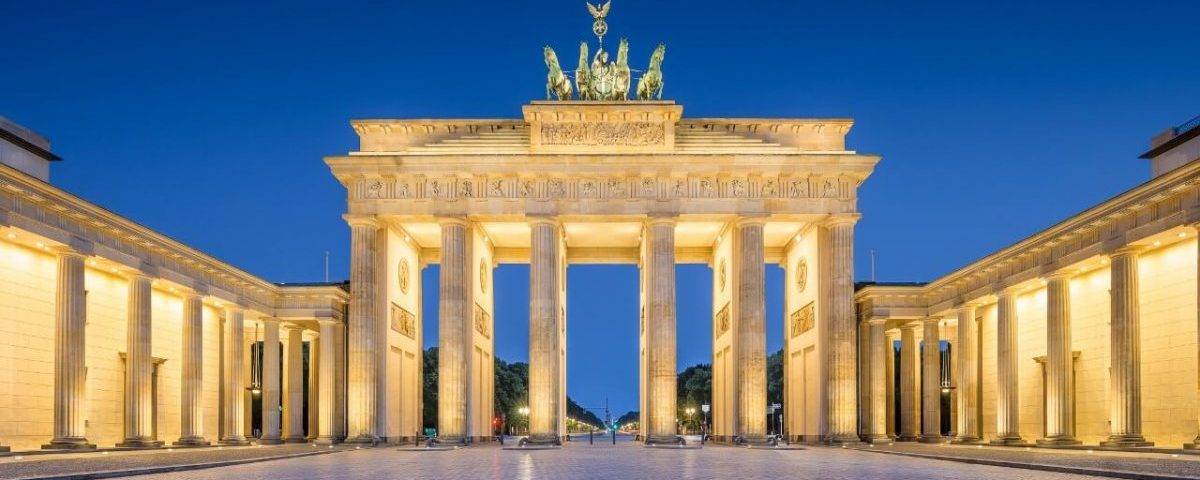
The Brandenburg Gate
previous arrowprevious arrow
next arrownext arrow
Shadow
Barcelona: A cultural city with its own beach, Barcelona is a Spanish holiday destination that lets you combine a city and seaside break. High-brow highlights include the Picasso Museum, the art nouveau La Sagrada Familia and Gaudi’s other great Barcelona work, Park Güell. After winding your way through the Gothic Quarter’s narrow medieval lanes (and its restaurants and bars), you can put your feet up at the beach. Mallorca: It’s not hard to see why Mallorca is such a classic Spanish holiday destination for Brits. The island has it all, from a vibrant capital and gorgeous beach resorts to the spectacular Serra de Tramuntana mountain range, lively port towns such as Sóller and inland villages favoured by artists such as Deià. Palma has a charming old town, an imposing Gothic cathedral and lots of excellent restaurants. From there, you can catch an old-fashioned tram all the way to Sóller for lunch at one of the restaurants lining the harbour.

Read More

It's time to make your travel dreams come true

Discover Cultures

Learn about different cultures and their traditions.

Browse Destinations

Expl.ore new destinations and get inspired every day

The n’Joy hub

Find fun and engaging activities for all ages, from games to music and books.

The Earth video series

See the wonders of the world in 30 seconds

Off to the n'joy hub!